
AI Translation with Human Post-Editing (MTPE)
AI speed. Human judgment. Your balance.
Get the speed of AI translation, verified by professional linguists. We build the blend around your content, audience, and quality needs.
 Lower cost and faster turnaround than conventional translation
Three review levels, from light to full post-editing
Built for high-volume and recurring content
ISO 18587 for full post-editing
Fast and reliable no longer has to be a trade-off
Fast, affordable translation and dependable translation have usually meant choosing one. Machine translation post-editing (MTPE) closes that gap. An approved AI system an unverified translation, then a professional linguist revises and refines it against your source. You get the speed and scale of AI, with a qualified human accountable for the result.
MTPE can be a good fit for a wide range of materials, including informational, repetitive, and high-volume content. We’ll recommend the level of human review that matches your content, your audience, and what’s at risk.
Exploring broader AI-driven language solutions? See our AI Linguistics Services.
How our Machine-Translation Post-Editing (MTPE) services work
Quality tailored to your needs. Your selected service package determines the level of human editing and quality assurance applied to your content.
-
- AI generates the initial translation. We use carefully selected, industry-leading AI translation engines with detailed prompts, glossaries and style guides.
- A professional linguist refines the translation. A qualified, native-speaking linguist with subject-matter expertise reviews and edits the AI-generated content for accuracy, terminology, clarity, style, and consistency, following your glossaries, brand voice, and audience requirements.
- In-house quality assurance. Our in-house quality team performs a final review to verify completeness, consistency, and formatting, ensuring the deliverables meet the quality standards of your selected service package.
More than spelling and grammar
Post-editing is not proofreading. A professional linguist compares the AI output with your original and fixes what automation gets wrong: a technical term, a missing detail, a misleading instruction, an unnatural phrase. A post-editor checks:
- Accuracy of meaning
- Missing or added content
- Technical terminology
- Grammar and syntax
- Tone and style
- Cultural fit
- Numbers and formatting
- Instructions and warnings
Full post-editing meets your agreed quality requirements in depth. Light post-editing fixes clear errors for limited informational use.
Why teams choose MTPE
AI brings efficiency. Humans bring understanding. MTPE puts both on your project:


*Compared with conventional human translation. Results vary with language, document, subject, service package, and project size. We recommend AI only when it offers meaningful value.
Is MTPE right for your content?
Your Project Manager will explain when AI may not be the right fit for your needs.
Why human judgment matters
A translation can sound right and convincing and still be wrong. AI produces fluent language that can change the meaning, and the errors are hard to spot unless you know both the language and the subject.
Here is what a post-editor catches (illustrative example, German to English):
Source (German): Öffnen Sie die Schutzabdeckung erst, wenn die Maschine vollständig zum Stillstand gekommen ist und die Stromversorgung getrennt wurde.
AI draft (English): Do not open the safety cover until the machine has come to a complete stop or the power supply has been disconnected.
After post-editing: Do not open the safety cover until the machine has come to a complete stop and the power supply has been disconnected.
Changed meaning: The German source requires both conditions: the machine must have stopped and the power supply must be disconnected. The AI draft changed “und” (and) to “or.”
Weakened safety instruction. The draft sounds natural but allows the cover to be opened when only one condition has been met. The post-editor restores the requirement to meet both conditions.
When the stakes are high, the review goes deeper
- Safety and health: a changed warning, dosage, or procedure can change what someone does. (Medical, safety, technical procedures)
- Legal rights: an omitted condition can alter obligations and how a contract is read. (Contracts, rights information)
- Regulatory: inconsistent terms or inaccurate claims mean rejected files, rework, and delay. (Submissions, labeling, regulated documents)
Choose your level of review
Not every project requires the same level of human editing. Apex Translations offers two approaches to machine translation post-editing (MTPE), allowing you to balance quality, turnaround, and cost based on your content and intended audience.
Built on an international post-editing standard:
ISO 18587
ISO 18587:2017 sets process and competency requirements for full human post-editing of machine translation. It doesn’t certify an AI engine or replace human evaluation. Our full post-editing workflow (Professional) is supported by our ISO 18587-certified processes. Essential’s light editing is outside its scope.
ISO 17100:2015 sets requirements for the processes and resources used to deliver a quality translation service. Its scope states that the use of raw machine translation output plus post-editing is outside the standard. If your project requires ISO 17100 compliance, we’ll confirm the right workflow before work begins.
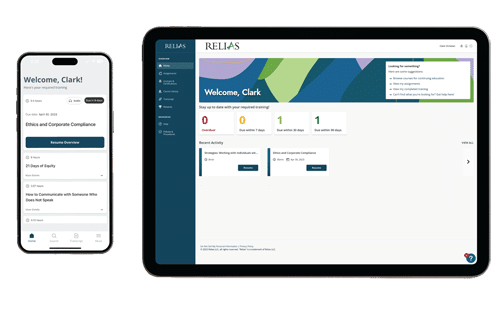
Case study: E-learning
Relias: multilingual e-learning for a diverse healthcare workforce
Apex Translations translated Relias’s e-learning course modules into 4 languages, using machine translation for a fast first pass, expert linguist post-editing, and QA testing in the e-learning platform. The result: effective multilingual training that helps Relias’s customer serve a diverse workforce.
Why Choose Apex Translations for MTPE
With 30 years of experience, Apex Translations brings deep linguistic expertise and a commitment to exceptional service. Our MTPE solutions are supported by:
- Skilled linguists trained in post-editing best practices
- Dedicated project managers who guide you from start to finish
- ISO-certified quality processes
- Proven customer satisfaction backed by real client feedback. See our Client Reviews.
Frequently Asked Questions
Common questions about how Apex Translations approaches translation, AI, certification, and language coverage.
You can, and for low-stakes use it may be enough. The risk is that fluent output can still be wrong, and without a qualified linguist checking it against the source, no one is accountable for the errors. Post-editing adds that check, plus terminology alignment and quality review.
No. Post-editing starts with an AI-generated translation, which is unverified until a professional linguist checks it against your original source. The post-editor corrects meaning, terminology, and wording, so the result is professionally verified. Proofreading generally focuses on surface errors such as spelling, punctuation, and presentation, and assumes the translation has already been checked for accuracy.
No. A human linguist reviews the AI output in every post-editing option. Premium and Professional can use full professional post-editing; Essential uses a lighter scope. Every package includes a Project Manager consultation and in-house quality review, and Premium adds a separate professional bilingual editor.
Starting from an AI draft can reduce cost by 20-50% compared with conventional human translation, and can improve turnaround by a similar range, depending on language, document, subject, service package, and project size. Professional is about 20% less than Premium, and Essential about 20% less than Professional. Your free quote gives you a specific figure for your project.
No. Suitability depends on content, language, confidentiality, complexity, intended use, and the consequences of error. When AI does not offer a meaningful benefit or meet your requirements, we recommend human translation.
Yes. ISO 18587:2017 covers full human post-editing of machine translation, which our Premium and Professional workflows follow. Essential’s light post-editing is outside its scope. ISO 17100:2015, the standard for translation services, places raw machine translation output plus post-editing outside its scope. If your project requires ISO 17100 compliance, we’ll confirm the right workflow before work begins.
Tell us what the content is, who will use it, how sensitive it is, and your budget and timeline. We will recommend the package and the combination of technology, post-editing, bilingual editing, and quality review.
Find the right balance of AI and human expertise
Tell us about your content, audience, timeline, and quality requirements. We’ll help you decide whether post-editing makes sense and what level of review fits.